Bagworms Vs. Webworms: What You Need To Know
Trees can fall prey to numerous threats, including hungry insects. Bagworms and webworms are two of the most common insects that target trees in the Oklahoma City, OK, area. Learn how to identify them, what makes them different, and how to protect your trees from serious damage.
Two Common Tree Threats In Oklahoma
Bagworms often eat the foliage of trees such as eastern red cedars, junipers, and arborvitae, while webworms usually feed on trees like persimmon, pecan, and black hickory. Understanding each pest is the first step to protecting your property.
What Are Bagworms, And How Do They Cause Damage?
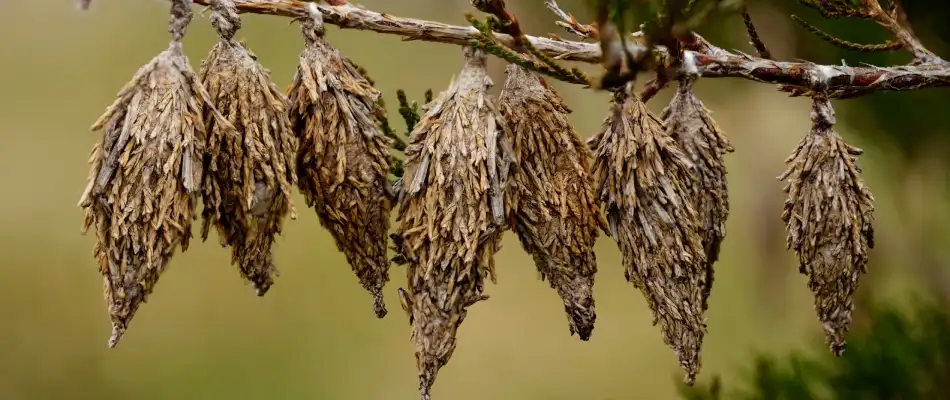
Bagworms are insects that feed on the foliage of many trees found throughout Oklahoma. These include eastern red cedars, junipers, arborvitae, pines, spruce, and more. Bagworm larvae hatch in the spring and construct small brown bags that dangle from the limbs of tree branches. These bags, made of silk and plant matter, provide homes for bagworm larvae to develop until they become full-grown moths in the late summer to early fall. If you spot bagworm bags, your trees are already under attack. Unless intervention is initiated, bagworms will devour a tree's leaves, weakening the tree severely and potentially causing it to die. Fully-built bagworm bags are typically 1.5 to 2 inches in length.
What Are Webworms, And How Do They Cause Damage?
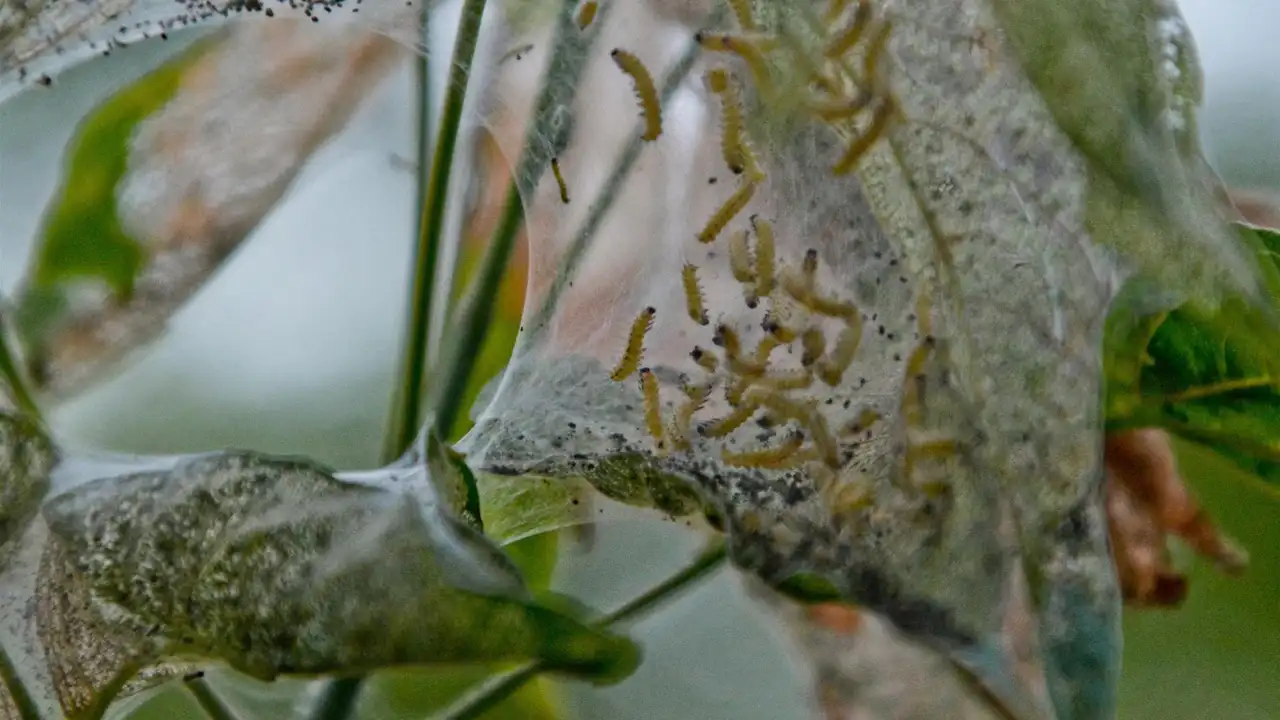
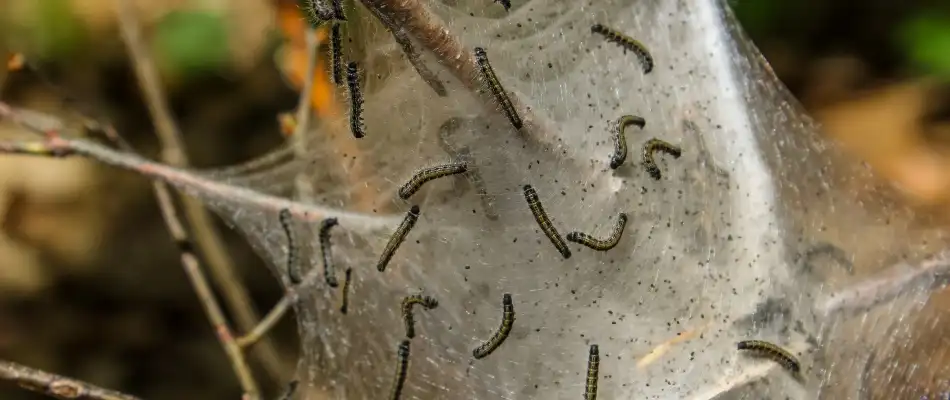
Webworms are another insect that threaten trees in Oklahoma. Trees at the highest risk include persimmon, pecan, black walnut, and hickory trees. Webworms feed on tree leaves and spin webs among tree limbs. An untrained eye could mistake webworm webs for spider webs; however, webworm webs are typically much thicker than those created by spiders. Webworm larvae get to work on their web upon hatching in the late spring or early summer and grow into adult moths in the late summer to early fall. If you spot webworm webs on your trees, they have found a home on your property. While webworms can harm your trees, their damage is typically less detrimental to tree health than damage caused by bagworms.
Contact Tree Health Professionals If You Spot Damage
Bagworms and webworms are not pests to play around with. If you spot them on trees on your property, you should contact a team of tree health professionals to assess and treat your trees. It is important to reach out to a tree service provider as soon as possible to mitigate the extent of the damage and prevent long-term consequences. A reputable company will be able to diagnose and prescribe a treatment plan shortly after the initial inspection.
How Treatment Works
High-Pressure Spray Application
Treatments involve using high-pressure spray guns to apply safe-but-powerful insecticides directly to your trees for maximum effectiveness.
Thorough Foliage Coverage
The foliage of affected trees is thoroughly coated to ensure all bagworms and webworms are completely eliminated and unable to inflict further damage.
Safe & Effective Insecticides
Our team uses safe yet powerful insecticide treatments, licensed by the Oklahoma Department of Agriculture, to protect your trees without harm to the surrounding environment.
Call Today To Schedule Bagworm & Webworm Control Treatments!
Don't let bagworms and webworms damage the trees on your property. Contact our team at Elite Lawn Care. We have been providing professional bagworm and webworm control treatments in Oklahoma City, OK, and nearby cities such as Edmond and Mustang since 2003. Our top-rated team is licensed by the Oklahoma Department of Agriculture and uses high-powered spray guns to saturate your trees with safe, effective treatments.