5 Common Weeds To Watch Out For This Spring In Oklahoma City, OK
Now that spring is here in Oklahoma City, OK, it's time to be on the lookout for five common weeds that can invade your lawn. These weeds are dandelions, chickweeds, henbits, clovers, and crabgrass. They all have distinct appearances, so spotting them on your property shouldn't be a problem. And when you see them, it's best to take appropriate measures to eliminate them before they grow and spread.
1. Dandelions
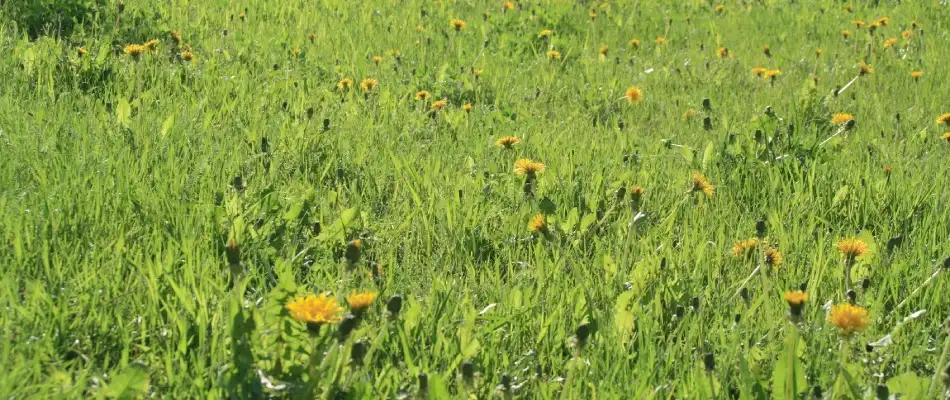
Dandelions bloom in the spring. You'll be able to easily identify them because they have yellow flower blossoms after blooming. As time goes on, the yellow flowers will slowly recede, and their seeds will emerge at the ends of their stems — they look like little cotton balls. The wind will carry those seeds all over, which is how dandelions spread and reproduce. Dandelions tend to do well in thin lawns where they have room to establish their roots and grow. The best way to deal with dandelions is with pre-emergent weed control before seed germination. If you didn't apply any pre-emergent control, then post-emergent controls will still work during their active growth period.
2. Chickweed
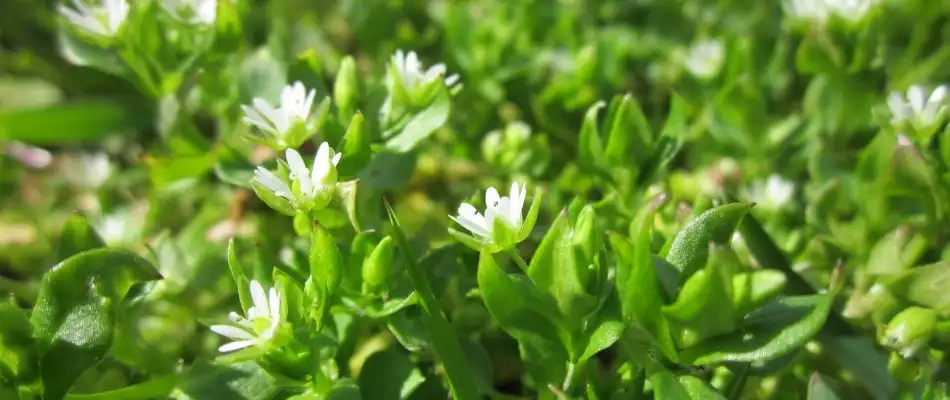
Chickweed is a short weed that is typically around two inches tall. You can identify them because their flowers consist of five white petals that are deeply divided, giving the appearance of ten petals. The seeds prefer cooler temperatures, so they typically begin germinating in late winter to early spring. However, if your soil is moist, chickweed can also grow when it's warmer. Each plant can produce approximately 800 seeds. Chickweeds should be controlled using pre-emergent control applied before they start germinating. If already established, you can eliminate it through post-emergent weed control treatments.
3. Henbit
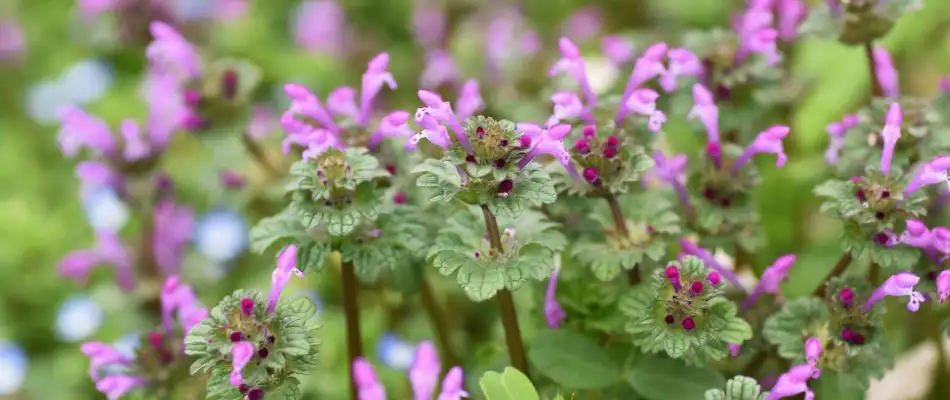
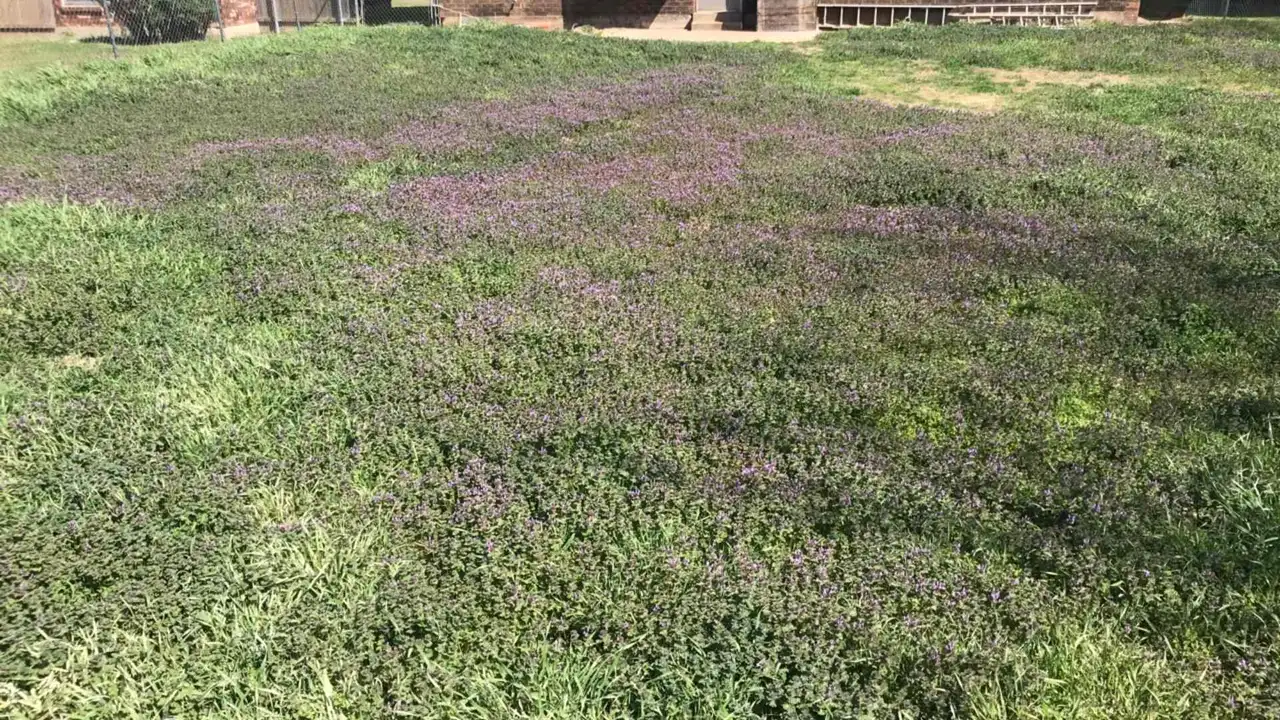
Henbit is a common weed that can be identified by the little purple flowers blooming atop its stem. When inspected closer, you'll notice the stem is square rather than round. They prefer growing in moist, fertile soils, particularly in fall and early spring. Henbit produces anywhere from 40–200 seeds and can spread them rapidly. It's best to deal with henbit with pre-emergent weed control. Post-emergent can help control the population, but it becomes very difficult with how fast they spread, so multiple applications and patience may be necessary.
4. Clover
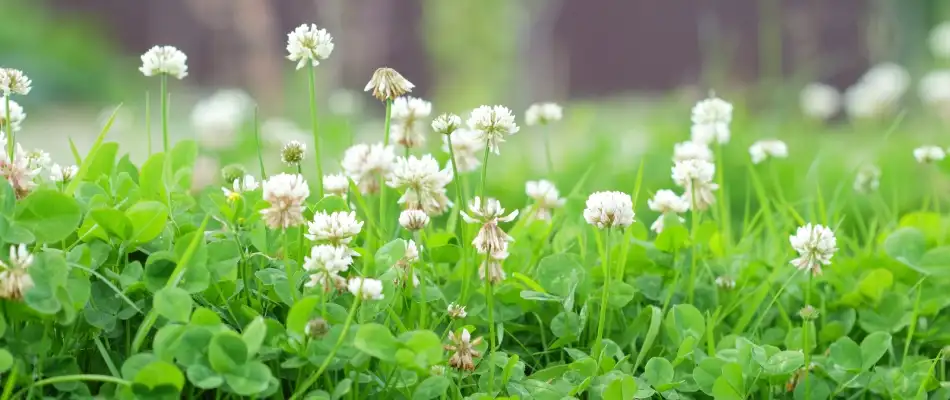
Clovers have three dark-green leaflets with white crescent-shaped marks. The flowers are clusters of white blossoms with a tinge of pink. They prefer moist soil and the sun, and they will spread their seeds aggressively. Pre-emergent weed control is the most effective way to handle these plants because they are difficult to control with post-emergent weed control.
5. Crabgrass
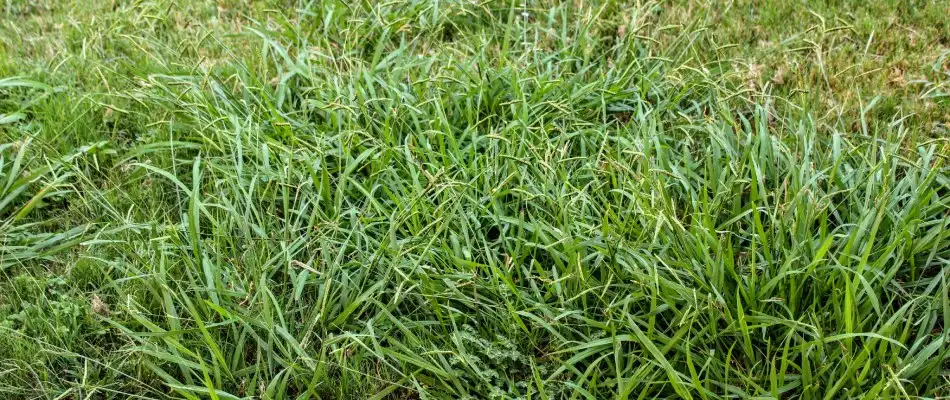
Crabgrass has light-green blades with a coarse texture. It favors thin turf with bare spots so they have room to grow. The seeds won't germinate unless the soil is at least 55°F for three consecutive days. Pre-emergent herbicides are the best way to deal with these weeds and should be applied before the seeds germinate — ideally when soil temperatures first reach 55°F. If you missed the opportunity to apply pre-emergent weed control, post-emergent weed control can still be applied while the plants are still young for maximum efficacy.
Keep Your Lawn Thick & Lush This Spring
Keep your lawn thick and lush by pairing weed control with fertilizer treatments to help keep weeds like crabgrass from invading!
Pre-Emergent Control
Post-Emergent Control
Fertilizer Treatments
8 Annual Visits
Call Us Today To Enroll In Our Weed Control Program!
At Elite Lawn Care, we'll visit your property eight times throughout the year to keep these weeds and more from infesting your lawn. We service properties in Oklahoma City, OK, and surrounding cities like Edmond and Mustang.