
Why Your Oklahoma Bermuda Looks Best in May and Then Browns in July: 5 Causes a Veteran Sees Every Year
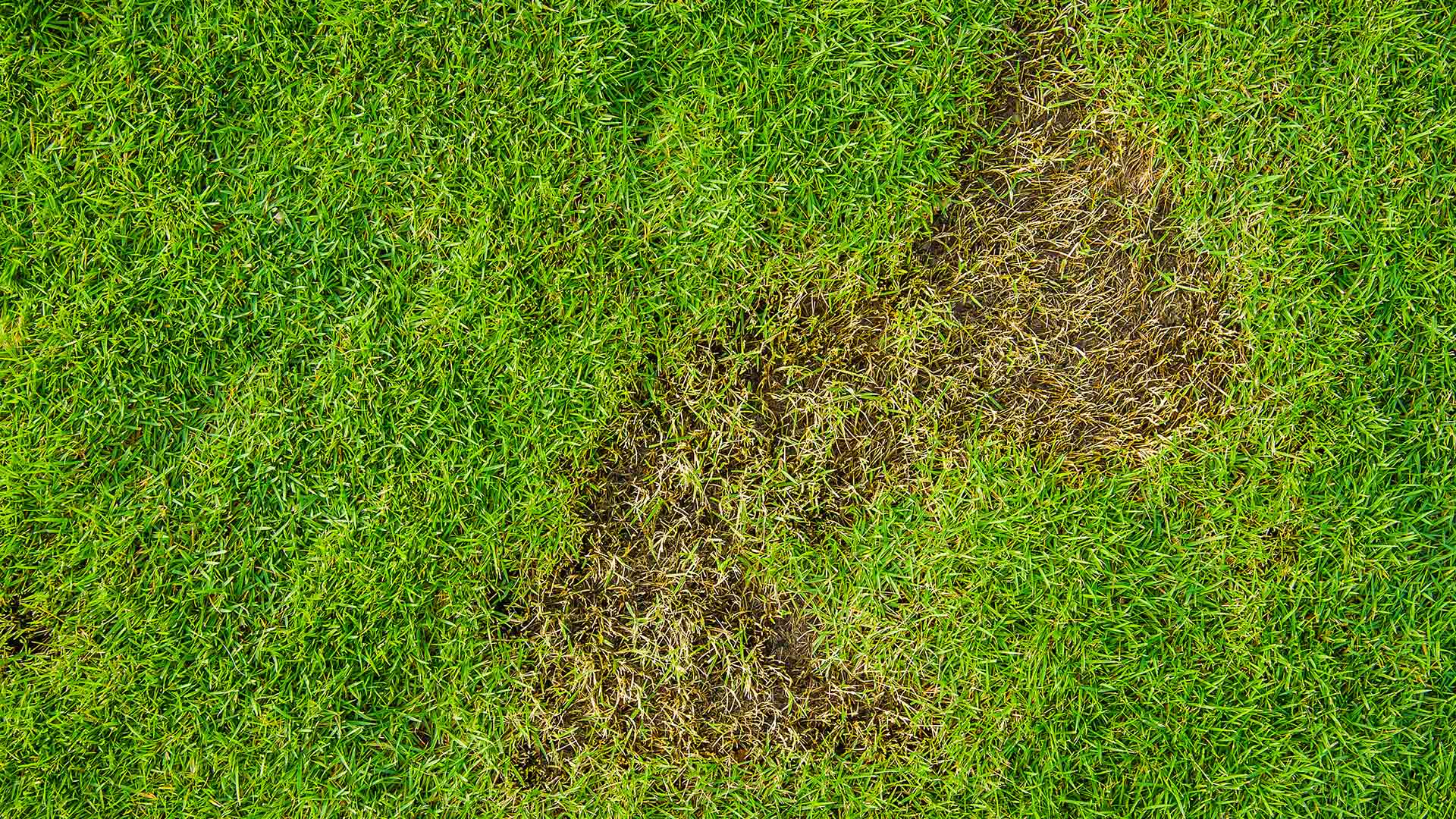
Short Answer: If your Bermuda lawn peaked in May and is browning by mid July, the cause is almost always one of five patterns we see every summer across the OKC metro and Northwest Arkansas: shallow watering catching up under real heat, soil moving from moist to hydrophobic and refusing to take water at all, root systems undersized for canopy demand because of an early-spring nitrogen push, mowing height that worked in May but is too low for 95-degree weeks, and irrigation coverage gaps that only show themselves when the lawn needs every drop. Diagnose first, treat second. July is a reset month, not a writeoff.
Every July we get the same call. The lawn looked great Memorial Day weekend. By the Fourth of July it is patchy and tired. By mid month the homeowner is sure something is wrong and not sure what to do about it. We have walked enough Oklahoma City and Siloam Springs properties through this exact window to know that the cause is rarely something exotic. It is almost always one of five patterns, and each one has a specific fix that works if you start before mid August.
We are a veteran-owned operation. We have a bias toward straight talk and toward fixing the underlying issue rather than masking it with more product. The five causes below are what we actually find on the ground when we walk a stalled lawn in early July. We will tell you how to spot each one, what the right response is, and what to skip so you do not waste money on the wrong fix.
Cause One: Spring Watering Habits Catching Up
This is the most common July problem in our area, and the one that catches the most homeowners off guard because nothing changed about the watering. That is exactly the issue. What worked in May does not work in July. A daily 12 or 15 minute irrigation cycle in May kept the surface soil moist enough that shallow roots were happy. Bermuda is opportunistic. If water is available at the surface, the roots stay at the surface. They never had to reach down.
Then July arrives. Air temperatures hit the upper 90s for stretches of five to ten days. The surface inch and a half of soil dries by 10 in the morning. Shallow roots have nowhere to go. The lawn wilts by early afternoon. Brown patches show up where the sun hits hardest, then spread.
The clue that confirms this cause is the footprint test. Walk across the lawn in late afternoon. If your footprints stay visible for an hour or more, the lawn is drought stressed at the root level. A second clue is the blue-gray cast on the blades. Healthy Bermuda is green going into wilt. Drought-stressed Bermuda turns a dull blue-gray before it browns.
The fix is permanent. Switch to two cycles per week, half an inch each, applied in the cool window before 8 in the morning. The lawn will look slightly worse for seven to ten days as roots reach down. Then it will recover with much better tolerance for the rest of the season. Daily short cycles are the most common irrigation mistake we see on Oklahoma lawns. The cure is counterintuitive because it feels like you are watering less.
Cause Two: Hydrophobic Soil Refusing to Take Water
This one looks identical to drought stress at first glance and gets misdiagnosed constantly. Hydrophobic soil happens when organic matter dries past a threshold and the soil surface starts repelling water rather than absorbing it. You can run an irrigation cycle for 20 minutes and most of the water sheets off the surface. The soil under the brown patch stays dry. The lawn keeps declining even though you have watered more.
The clue that confirms this cause is the water bead test. Pour a cup of water on a brown patch and watch what happens for 30 seconds. On healthy soil the water sinks in within five seconds. On hydrophobic soil it beads up and runs off. You can also dig a small core out of the brown area. The top inch of soil will be dry and almost dusty even after a watering cycle.
Hydrophobic soil shows up most often on south and west facing slopes, on sandy patches mixed into clay, and on areas where the soil was disturbed during construction and never built back its organic matter. Once it sets in, regular watering will not fix it.
The fix is a wetting agent, also called a soil surfactant. A homeowner can buy a hose-end product at most garden centers. Spread it across the affected areas and water it in. The wetting agent breaks the surface tension and lets water move into the soil profile again. Recovery takes two to three weeks. For severe cases, we apply a professional grade surfactant and follow up with a light compost topdressing to rebuild the soil structure.
Cause Three: A Spring Nitrogen Push Without the Root System to Match
Heavy spring fertilization is one of the more common mistakes we walk into. A homeowner sees the lawn waking up in late April, wants to push it, and applies a high-nitrogen product. The lawn responds with a flush of soft green growth. May looks great. The lawn is impressive. June starts showing the first signs of imbalance. By July the soft top growth cannot sustain itself under heat. The roots never caught up to the canopy. The lawn drops the excess. Patches thin out.
The clue that confirms this cause is fertilizer history. If you applied a weed and feed or a high-nitrogen product in March or April, this is the likely cause of mid summer thinning. A second clue is the pattern of thinning. Nitrogen-stressed lawns thin evenly across the unshaded portions rather than in defined patches.
The fix is patience and the right product. Do not add more nitrogen. Apply a moderate slow-release summer product with potassium, water deep and infrequent, and let the lawn rebalance. Recovery takes four to six weeks. If you are tempted to push another fertilizer application to try to get the green back, do not. You will make the next year of summer recovery worse.
Cause Four: Mowing Height Set for Spring, Not for Summer
This one gets undercounted because it does not feel like a watering or fertility issue, but it is the cause of more midsummer browning in our service area than most homeowners realize. May Bermuda can handle a 2 inch mowing height because surface soil is moist and temperatures are mild. July Bermuda cannot. The shorter cut exposes the crowns to direct sun. Soil temperature at the crown level can hit 110 degrees. Blade tissue burns and stops photosynthesizing. The lawn browns from the top down even when watering is correct.
The clue that confirms this cause is the scalp line. If you can see a clear line where the mower wheels rolled or where you finished the previous pass before changing direction, you are mowing too short for the season. A second clue is rapid browning after each mow, with two or three days of decent color in between.
The fix is to raise the deck. Bermuda tolerates 2 inches in spring but should run at the upper end of its range in midsummer. Three inches is a good target for most lawns through July and August. The taller canopy shades the soil, lowers crown temperature, and shades out a meaningful amount of weed pressure as a bonus. Some homeowners worry that taller grass looks unkempt. It does not at 3 inches. It looks healthy.
Cause Five: Irrigation Coverage Gaps That Only Show Up Under Stress
This one is mechanical and it is the cause we find most often when nothing else explains the pattern. Sprinkler systems develop coverage gaps over time. Heads get bumped out of alignment by lawn equipment. Nozzles clog. Pressure changes when other zones are running. A head that throws 18 feet on paper might be throwing 12 feet in practice. In May, soil moisture from previous rains covers the gap. In July there is no buffer. The dry spot becomes the brown spot.
The clue that confirms this cause is the geometry. Coverage gaps create geometric patterns. Triangular dry zones between heads. Half circles where a head got rotated wrong. Long rectangular dry strips along the property line. If your brown patches have shapes that match the irrigation layout, this is the cause.
The fix is an irrigation audit. Run each zone for two minutes during the day so you can watch it. Note any heads that are misaligned, clogged, or throwing too short. Replace nozzles where coverage has degraded. Check the pressure at the farthest head from the controller. Most coverage problems are mechanical and fixable in an afternoon. For systems that need rework beyond simple adjustments, this is a worthwhile professional service in July rather than waiting for fall.
When More Than One Cause Is in Play
Most stalled July lawns have at least two of these causes acting together. Shallow watering plus hydrophobic soil is a common pair. Spring nitrogen plus a short mowing height is another. Irrigation gaps plus drought stress at the marginal heads is the most common combination we walk into in mid summer.
The right approach is to address them in order of leverage. Fix mowing height first because it is free and immediate. Audit irrigation second because the mechanical fixes are the easiest to verify. Address watering schedule third. Treat hydrophobic soil fourth if the bead test confirms it. Leave fertility for last because you cannot judge what the lawn needs nutritionally until the other variables are corrected.
What Not to Do in a July Stall
Do not pile on water. Daily soaking on a stressed lawn worsens shallow rooting and accelerates decline in clay soils.
Do not apply a high-nitrogen fertilizer. Bermuda under heat stress cannot benefit from pushed growth. You will make the August recovery worse.
Do not assume fungus without confirming. Most July browning in our area is not disease. Fungicide on a non-disease problem is wasted money and does nothing for the underlying cause.
Do not give up and wait for fall. Every additional week of decline in July reduces what is achievable by September.
The Recovery Timeline You Can Expect
If you identify the cause and act on it in the first half of July, the visible improvement timeline most lawns follow is predictable. Week one to two: any decline stops, the lawn stabilizes. Week three to four: color starts returning in the unaffected portions. Week five to eight: thin areas begin filling in from surrounding healthy turf. Week nine to twelve: by Labor Day, most lawns are back to looking like they did in mid May or better. Recovery from a July stall is one of the more reliable outcomes in Bermuda lawn care because you still have plenty of growing season ahead. Lawns where the problem is not caught until late August take until next spring to recover fully.
Frequently Asked Questions
Can a July stall be permanent?
Almost never. Bermuda is an aggressive recovery species. As long as the crowns survive, the lawn comes back from runners. Recovery is reliable for any property where the underlying cause gets addressed before late August.
Should I overseed bare spots in July?
No. Bermuda seed germinates in heat but the seedlings cannot survive the temperature stress at the surface. Wait for September overseed or let the existing lawn fill in from runners.
Is it worth aerating in July?
For lawns with confirmed compaction and good moisture, yes. Bermuda recovers fast from July aeration. For lawns under active drought stress, wait until you have addressed the water issue first.
How do I know if I have hydrophobic soil or just dry soil?
The bead test. Pour water on the affected area. If it sinks in within five seconds, the soil is just dry and a watering correction will fix it. If it beads up and runs off, the soil is hydrophobic and needs a surfactant before water will move through it.
What to Do Next
If your Bermuda is stalled and you want a professional read on which of these causes is driving the problem on your specific property, we are glad to come walk the lawn. We will identify the pattern, recommend the right combination of fixes, and tell you straight what is realistic for the rest of the season. No upselling. No fear-based pitches.
As a veteran-owned company we approach diagnostic work the same way we expect work to be approached when we are the customer. Straight assessment, clear recommendation, honest pricing.
Call us at 405-735-1223 or visit weedcontrolokc.com to schedule. We serve Oklahoma City, Edmond, Norman, Moore, Siloam Springs, Bentonville, Rogers, and surrounding communities across the OKC metro and Northwest Arkansas.