Pest Control
What Happens During an Interior Pest Control Visit (and When You Need One)
Elite Lawn Care • October 2026 • Oklahoma City, OK • 7 min read
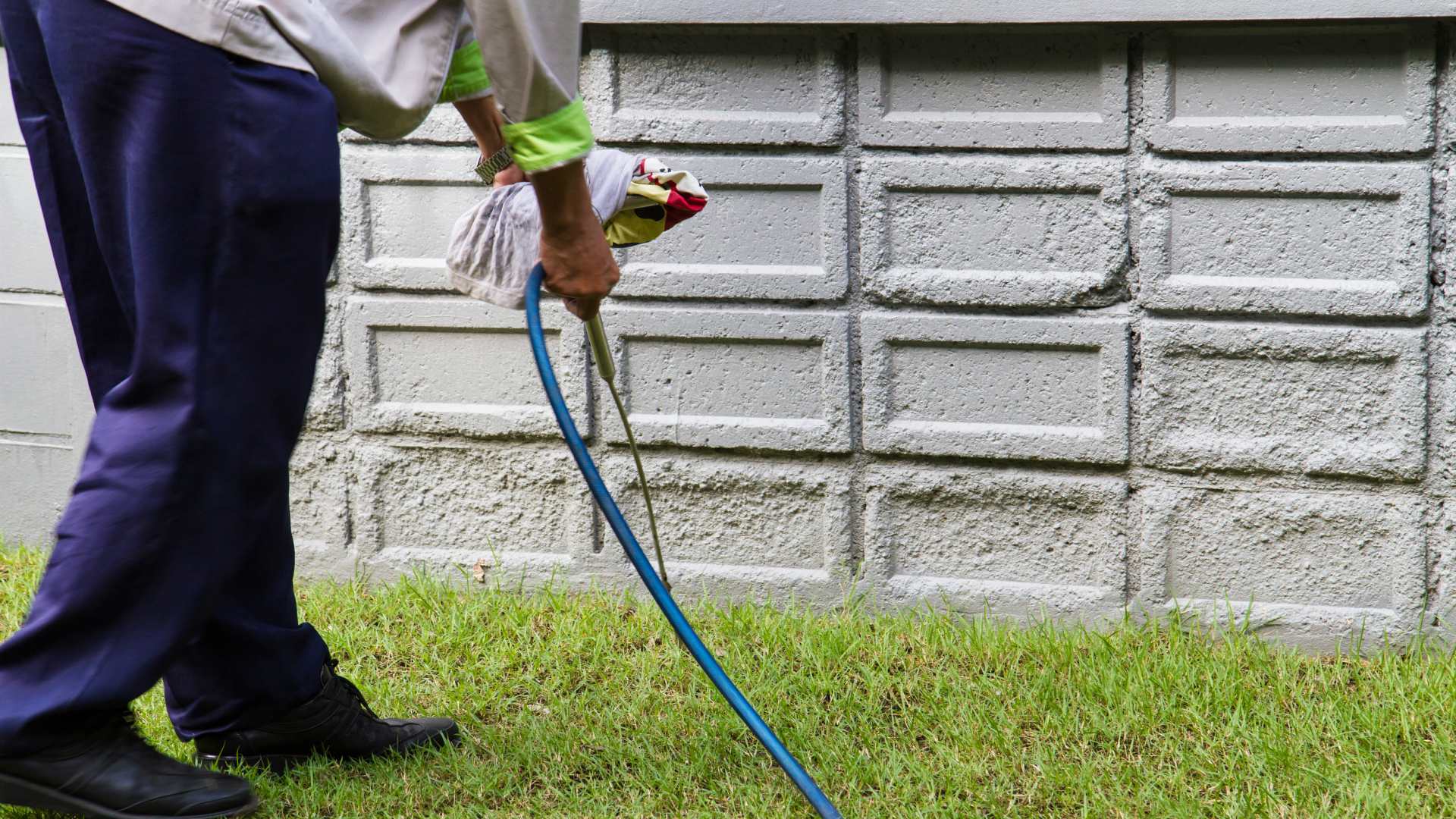
Short Answer: An interior visit is targeted work in a handful of specific places rather than spraying the whole house. A technician treats and monitors the spots pests actually travel and harbor, meaning under sinks, behind appliances, along baseboards in problem rooms, around water heaters, and in garages and utility spaces. Monitoring devices go where activity is suspected, because knowing what you have and where it is moving matters more than product volume. Most households do not need interior service regularly. Exterior perimeter work handles the majority of seasonal pressure.
When people picture pest control inside a house, they often imagine something dramatic. Fogging, everyone leaving for the day, wiping down every surface afterward. That image comes from how the industry worked decades ago and from television, and it does not describe a modern interior service at all.
What actually happens is quieter and more specific, and understanding it helps in two ways. You will know what to expect if you book one, and you will be better positioned to judge whether you need interior work at all, because a fair number of households do not.
Interior Work Is Targeted, Not Broadcast
The governing principle is that pests do not use a room evenly. They travel along edges, they harbor in dark undisturbed spaces, and they concentrate where moisture and food are. Treating open floor space in the middle of a living room accomplishes essentially nothing, because nothing walks there.
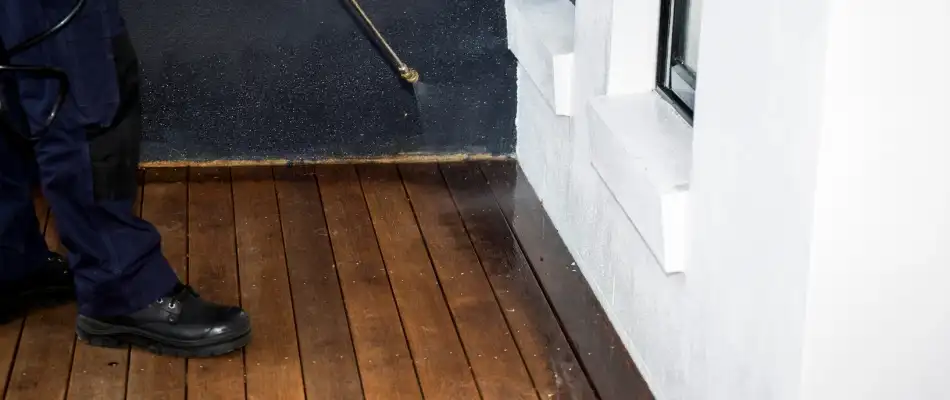
So a technician works the edges and the voids. Along baseboards in rooms with activity. Under sinks, where plumbing penetrations create both an entry point and the moisture many pests seek. Behind and beneath appliances, particularly the refrigerator and dishwasher. Around the water heater and furnace. Inside cabinet voids and the gaps where pipes pass through walls.
Garages, utility rooms, and storage areas get particular attention, because those are the spaces that stay undisturbed and connect most directly to the outdoors. In Oklahoma the garage is very often where a fall pest problem actually lives.
The practical consequence is that a competent interior visit uses less material in more specific places than most homeowners expect, and that is the goal rather than a shortcut.
Why Monitors Matter as Much as Treatment
One of the most useful things placed during an interior visit is not a treatment at all. Monitoring devices, including glue boards and similar traps, go in the spots where activity is suspected, and they answer questions nothing else can.
They tell you whether something is actually present, which matters because homeowners frequently suspect mice based on a sound that turns out to be something else entirely. They tell you what it is, since correctly identifying a pest changes the entire approach. And they tell you where it is traveling, because a board that catches something near the water heater and nothing near the pantry has narrowed the problem considerably.
They also measure whether what you did worked. A board that caught three mice on the first visit and nothing on the next two is evidence of progress. Without monitors, you are relying on whether anyone happened to see something, which is not a reliable signal in either direction.
This is the part people undervalue. With rodents especially, the information a monitor produces shapes the work far more than the volume of product applied does.
The Walkthrough Is Half the Value
Before anything gets placed or treated, a technician should walk the space with you and ask specific questions. Where have you seen activity. What time of day. Any sounds, and from which wall. Any droppings, and where.
That conversation directs everything that follows. Interior pest problems are usually localized rather than whole house, and the details a homeowner supplies narrow the search enormously. Somebody who has been hearing scratching above the ceiling in one bedroom has given us more useful information than any inspection tool would.
The walk also surfaces conditions that are driving the problem. A leaking supply line under a sink. Pet food stored in a paper bag. Cardboard boxes stacked directly on a garage floor. A gap under the door to the garage. Those conditions matter more than any product, and a technician who does not mention them is only doing half the job.
Most Homes Do Not Need Regular Interior Service
We would rather tell you this plainly than sell visits nobody needs. For the majority of households, exterior perimeter work handles the seasonal pressure, and interior service is occasional rather than routine.
The logic follows from where the pests come from. Almost everything showing up indoors in October came from outside and crossed the foundation to get there. Intercepting it outdoors is earlier in the sequence, keeps the treatment out of your living space, and prevents the problem rather than responding to it.
Interior service earns its place when something is already established inside, when activity continues despite exterior treatment, when you are dealing with a pest that lives indoors rather than visiting, or when a specific problem needs targeted attention in a specific room.
If a company recommends interior treatment on every visit as a default, that is worth a question. It is not automatically wrong, and there are situations that call for it, but it should be justified by something they found rather than included by routine.
When Interior Work Is Clearly Warranted
A few situations move this from optional to sensible, and they are worth recognizing.
Rodent evidence indoors is the clearest one. Droppings, gnaw marks, shredded nesting material, or sound in a wall or ceiling all mean something is living in the structure rather than passing by. That requires interior monitoring and placement alongside sealing the entry point, and exterior work alone will not resolve it.
Cockroach activity indoors is another, particularly if you are seeing them during daylight, which generally indicates a larger population than a casual sighting suggests. Roaches that establish indoors breed indoors, so the problem does not resolve on its own with cooler weather.
Spiders in Oklahoma deserve their own mention. Most are harmless, but brown recluse is established across our region and prefers exactly the undisturbed interior spaces people store things in. Garages, closets, storage rooms, and the backs of shelves. Where a household is finding them regularly indoors, interior monitoring is a reasonable step rather than an overreaction.
Ongoing indoor activity despite exterior treatment is the fourth, and it usually means either an entry point nobody has found or something breeding inside.
Preparing for a Visit
Less is required than people expect, but a few things make the visit more effective.
Clear access to the areas that matter. Under sinks, around the water heater, and along the garage walls. A technician who cannot reach the space cannot treat it, and those are precisely the spaces that tend to be full of stored items.
Note what you have seen before the visit rather than trying to recall it on the spot. Where, when, how often, and what it looked like. Photographs of droppings or an insect are genuinely helpful for identification.
Mention pets and where they spend time, along with any children, so placements go where they belong. Monitors and any interior products should be positioned out of reach in cabinet voids, behind appliances, and along protected edges, and that placement depends on knowing the household.
Afterward, leave monitors where they were placed rather than moving or removing them. They are collecting information, and a board relocated to a tidier spot stops telling you anything useful.
What to Do Next
Start by figuring out whether you actually have an interior problem or an exterior one showing itself indoors. Occasional spiders or crickets in the garage in October are usually a perimeter issue. Droppings, sounds in walls, or daytime roach sightings are interior.
Do the free diagnostic work first. Check under sinks for moisture and gaps, look at how pet food is stored, pull boxes off the garage floor, and check the gap under the door between the garage and the house. Those four things resolve a meaningful share of interior calls before anyone arrives.
Here is what to expect from the service itself. Most interior visits take under an hour, you do not need to leave the house, and you will likely see less activity than you expect in the first few days, because monitors need time to gather information. The follow up visit is where the picture becomes clear.
If you would rather have someone determine whether the problem is inside or outside and treat accordingly, we are here for that. Elite Lawn Care is veteran owned and serves the Oklahoma City metro along with Siloam Springs, Arkansas. Call 405-735-1223 or visit weedcontrolokc.com to schedule, and we will tell you honestly if exterior work is all you need.